Navigating Tax Challenges for Small Businesses

Tax time can be a stressful period for small business owners. The intricacies of tax laws, frequent changes, and compliance requirements can seem overwhelming. However, understanding your tax requirements and planning ahead can alleviate some of that stress. In this blog post, we will explore the various challenges small businesses face regarding taxes and provide practical solutions to navigate them effectively.
Understanding Small Business Taxes
Understanding the tax obligations is crucial for every small business owner. In many countries, small businesses are subject to different types of taxes, including income tax, payroll tax, sales tax, and property tax. Additionally, the tax code can vary from state to state, requiring business owners to stay informed about local regulations.
For example, in the United States, small businesses can choose to be taxed as sole proprietorships, partnerships, corporations, or S corporations. Each of these structures has different tax implications which can affect net income and distributions.

Common Tax Challenges for Small Businesses
Every small business is unique, yet they tend to face common tax challenges. Here are some typical hurdles you may encounter:
Complex Regulations: Tax laws are notorious for being complicated. A constant change in regulations can leave small business owners confused. Many entrepreneurs lack the time or expertise to keep up with new developments.
Record-Keeping: Proper record-keeping is essential for tax filing. Small business owners need to track income and expenses meticulously. However, many find it challenging to maintain accurate records.
Deductions and Credits: Knowing which deductions and credits you qualify for can save your business a significant amount on taxes. However, identifying eligible ones often takes extensive research, leading many to miss out on potential savings.
Cash Flow Concerns: Meeting tax deadlines can affect cash flow. Small businesses may struggle to have liquid assets available when tax payments are due, risking penalties or even legal issues.
What is the Best Tax Structure for a Small Business?
Choosing the right tax structure for your small business is critical. It can affect your tax burden, liability, and overall profitability. Here’s a brief overview of the primary structures:
Sole Proprietorship: This is the simplest form of business structure. You report your business income and expenses on your personal tax return, allowing for straightforward tax filing. However, it offers no personal liability protection.
Partnership: In this structure, two or more people share ownership. Partnerships report income on an informational return, and partners include their share of the profit or loss on individual tax returns.
Corporation: This structure offers personal liability protection but subjects profits to double taxation; once at the corporation level and again as dividends on personal tax returns.
S Corporation: S corporations combine the benefits of incorporation with the tax advantages of partnerships. Income is only taxed at the individual level, avoiding double taxation.
Deciding on a structure requires careful consideration of your business goals and financial situation. Consulting with a tax professional can provide valuable insights.

Effective Strategies for Tax Planning
Effective tax planning can help you manage your business's tax obligations efficiently. Here are actionable recommendations:
Keep Accurate Records: Invest in accounting software that simplifies record-keeping. Use programs that integrate with your business transactions, ensuring everything is documented correctly.
Understand Eligible Deductions: Familiarize yourself with all potential deductions. Common ones for small businesses include expenses related to home office, travel, and equipment. Track these expenses year-round to maximize deductions during tax season.
Consult a Tax Professional: Tax professionals can offer personalized advice and ensure you leverage available tax strategies. Their expertise can help you avoid errors that lead to audits or penalties.
Plan for Tax Payments: Set aside a portion of your monthly income for taxes. This proactive approach ensures you have the necessary funds when tax deadlines arise, preventing cash flow challenges.
Use Retirement Contributions: Investing in retirement accounts can provide tax advantages for small businesses. Contributions to accounts like a solo 401(k) can lower your taxable income. There are many retirement options, so find one that fits your business needs.
Staying Ahead of Tax Deadlines
Remaining vigilant about tax deadlines is critical for small business owners. An overlooked deadline can lead to penalties and interest, costing you more than anticipated. Here are some tips to help you stay on top of your schedule:
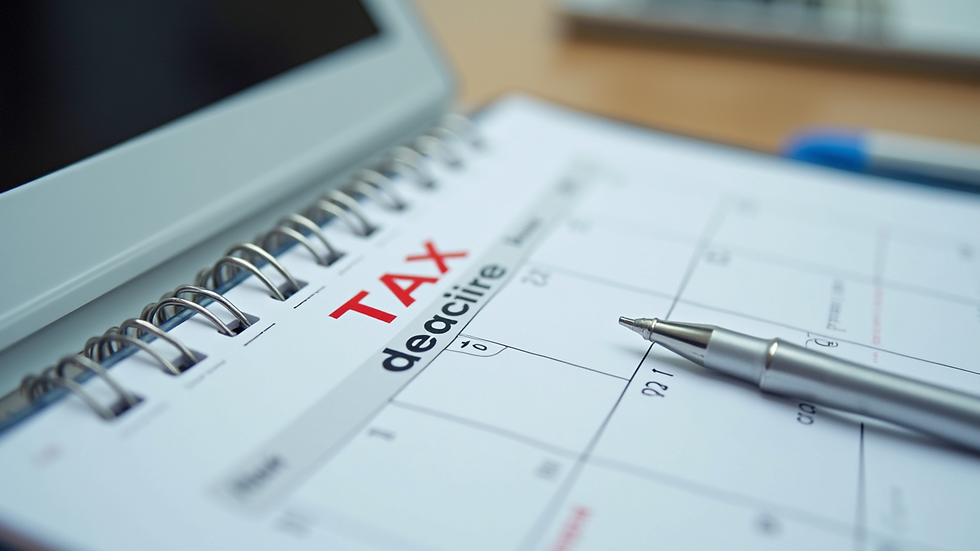
Create a Tax Calendar: Outline key dates for estimated payments, filing deadlines, and other important tax events. Mark these dates on your calendar early in the year to avoid surprises.
Utilize Technology: Accounting software can send reminders for upcoming tax deadlines and allow easy tracking of financial documents.
Review Annually: Set aside time once a year to review your tax strategies and overall financial health. Adjust your planning based on any changes in tax law or your business operations.
Tax Resources for Small Businesses
Utilizing the right resources can ease the burden of tax compliance for small businesses. Here are some tools and websites that could help:
IRS Resources: Visit the IRS’s official website for guidelines, forms, and tips tailored for small businesses. They offer various guides tailored to different business structures.
Professional Organizations: Organizations like the Small Business Administration (SBA) and local chambers of commerce often provide workshops and resources on managing taxes.
Financial Consultants: Many firms offer services focused on tax planning and compliance. Consider leveraging firms that specialize in small business tax solutions to get tailored advice suited for your industry.
Online Courses: Consider enrolling in tax education courses that offer insights on navigating tax laws and procedures. Various online platforms offer courses tailored for small business owners.
Final Thoughts on Navigating Tax Challenges
Navigating taxes as a small business owner is undoubtedly challenging, but it doesn’t need to be overwhelming. Through understanding your tax obligations, actively managing your financial records, and employing effective strategies, you can reduce stress associated with tax season.
Stay proactive in your tax planning and do not hesitate to consult with professionals. By arming yourself with knowledge and resources, you can turn tax season from a source of anxiety into an opportunity for financial growth. Your business deserves the attention and care that will allow it to flourish without the burdens of unpaid taxes or compliance issues.
Focus on what you do best, and let tax experts help smooth the path ahead for your small business taxes.


Comments